


Myth vs Fact: Solar Panels Edition
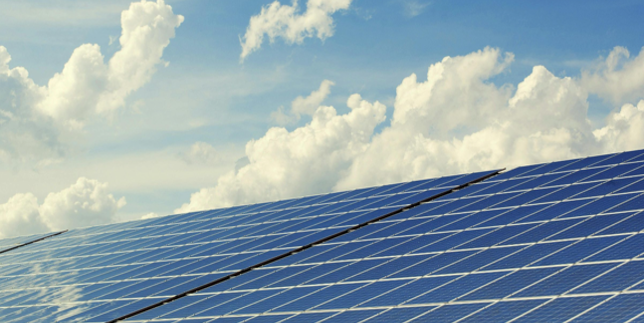
There used to be a variety of misconceptions and realities regarding solar panels. This article contains a variety of facts and fallacies regarding solar panels. The first misconception is that solar panels are only effective in hot weather. Solar panels actually require sunlight rather than heat. On overcast days, it may still produce electricity, and in fact, it functions better in colder climates.
The idea that solar panels are inoperable at night is the second myth. In actuality, solar panels cannot generate electricity at night; nevertheless, energy can be obtained from the grid through net metering systems or stored in batteries. Solar energy generates power during the day, and excess energy is stored in batteries. But at night, your house is powered by the stored energy. For instance, after sunset, residences equipped with Tesla Powerwall devices can function on solar energy that has been stored.
Instead of drilling at random, customized mounting mechanisms are used to install solar panels. To seal any penetrations, installers utilize flashing materials (waterproof layers) and mounting brackets firmly fastened to roof rafters, the strongest element of the roof. In fact, solar panels can shield your roof. Panels can serve as a shield to prevent damage to your roof, such as lessening heat damage by blocking direct sunlight. They offer defence against hail, rain, and debris. Over time, they lessen deterioration. The portion of the roof beneath the panels frequently lasts longer than the exposed portions and over time, they lessen deterioration.

Another myth is that solar panels do not make a big environmental difference. The fact is that, by using renewable energy instead of fossil fuels, it can help to reduce pollution and planet-warming greenhouse gas emissions. By using panels, we can save costs, and it would be beneficial for us. One of the benefits of solar panels is that homes with solar systems often sell for more, with studies suggesting a premium of around 4.1%. Solar panels have no moving parts, rarely need repairs, and usually last over 25 years.
Another misconception is that solar panels are too costly. In actuality, prices have drastically decreased. Long-term electricity bill savings might exceed the initial cost, and many nations give incentives or rebates. In actuality, this was true ten to fifteen years ago, but it is far less true now. Solar panels are now more widely available and reasonably priced than before.
The final misconception is that solar panels are bad for the environment. In actuality, solar panels drastically cut carbon emissions. They are recyclable and generally cleaner than fossil fuels, notwithstanding the impact of manufacturing. Old panels may become waste after 25 to 30 years, which raises waste concerns. They could pose further environmental dangers if improperly recycled.


Comments